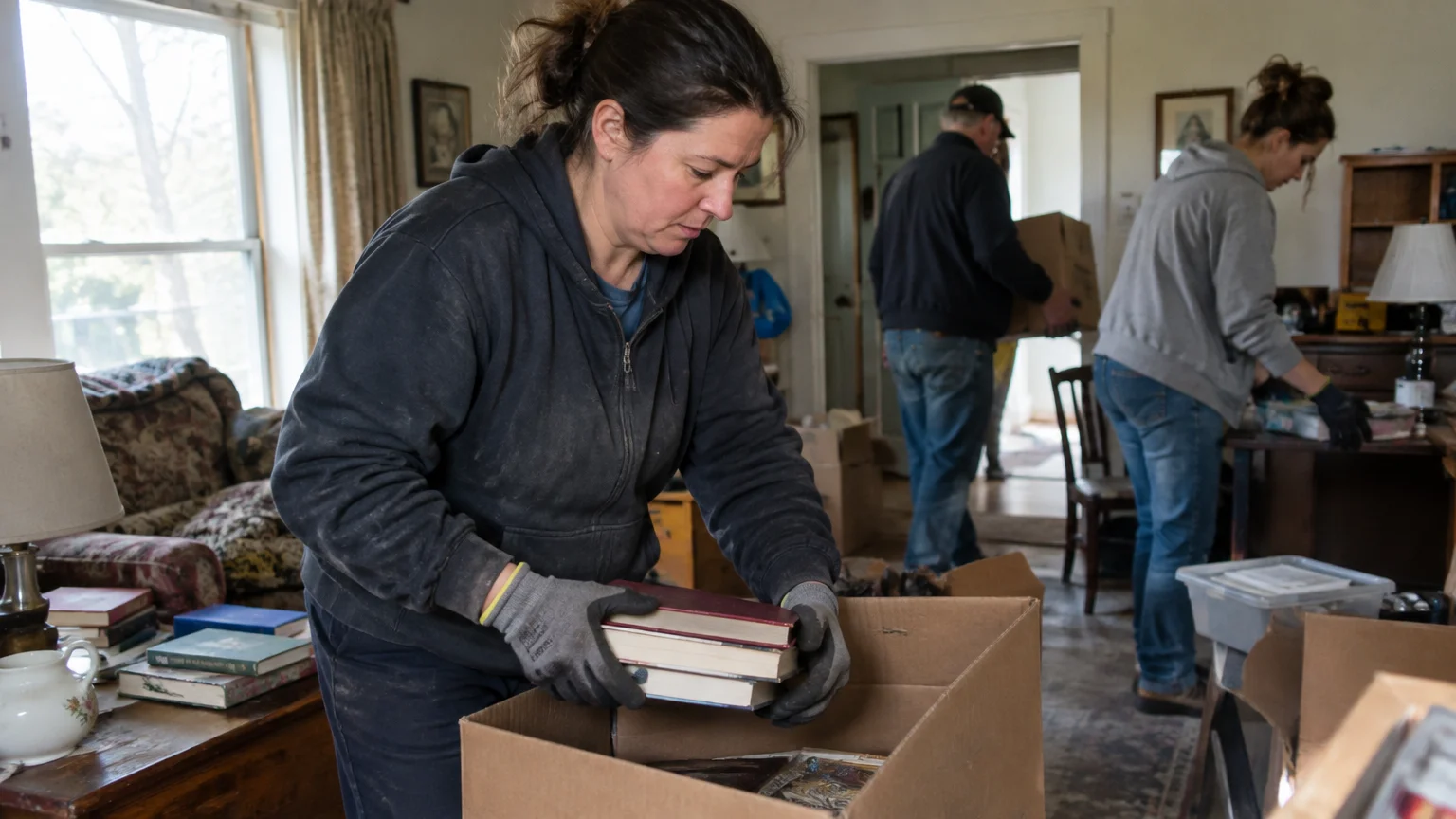
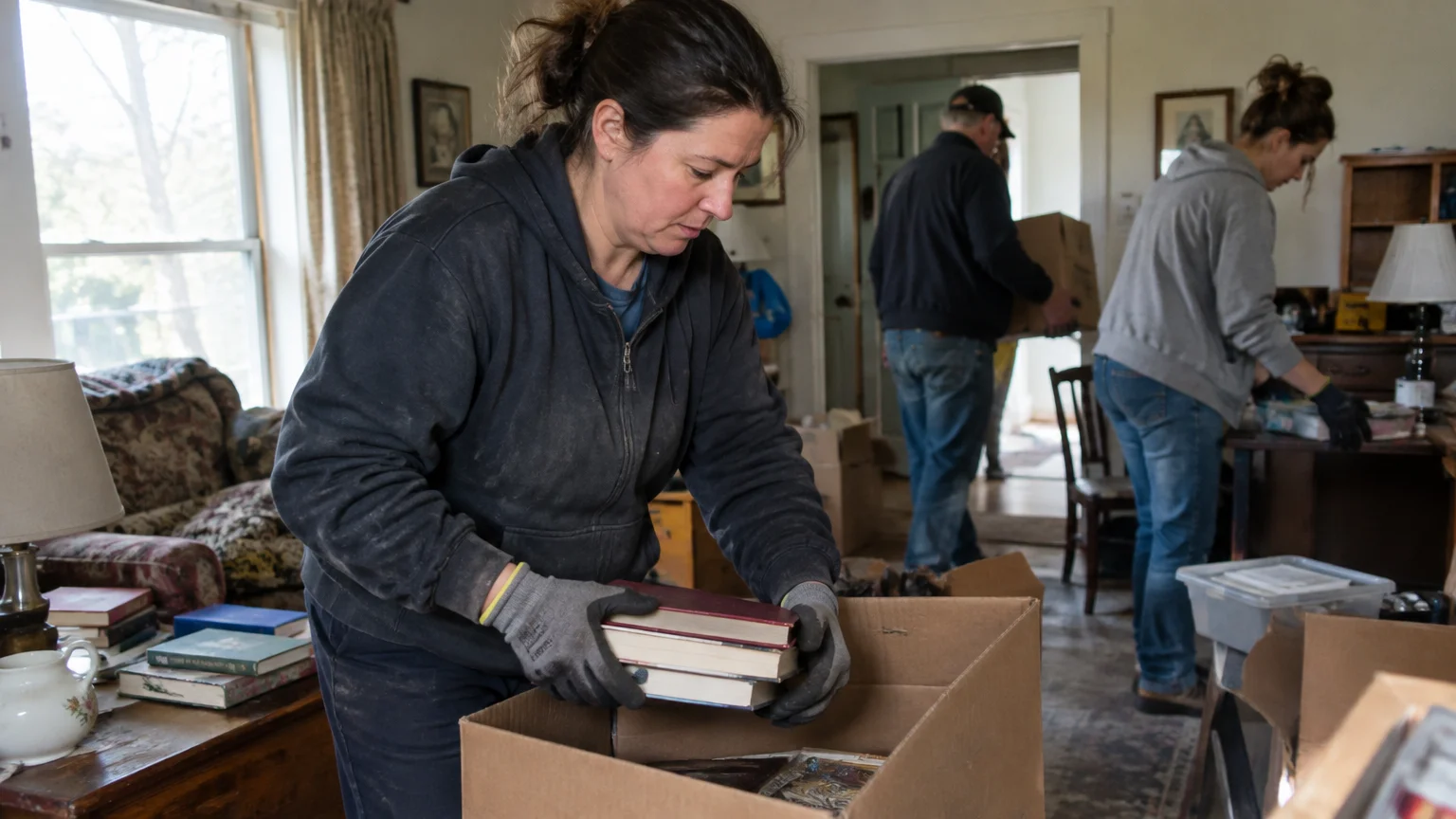
To prepare for an estate cleanout, set a timeline, choose one decision-maker, protect key papers, and sort items by clear rules. A written plan can lower stress, prevent family conflict, and keep the work moving. Rohnert Park CA Junk Removal helps families handle approved removal with care.
Table of Contents
- What Should You Do First When Preparing for an Estate Cleanout?
- How Can Families Sort Belongings Without Creating Conflict?
- Which Items Should You Keep, Donate, Sell, or Remove?
- How Do You Handle Sentimental Items After a Loss?
- What Should You Know About Donations, Sales, and Disposal?
- When Should You Hire an Estate Cleanout Service?
- How Can You Finish the Cleanout and Prepare the Property?
- Frequently Asked Questions
What Should You Do First When Preparing for an Estate Cleanout?
The first step is to make a simple plan before moving anything. Confirm who can make decisions, when the home must be cleared, and which rooms need attention first. This gives each person a clear role and helps the work stay calm.
An estate cleanout means removing unwanted items after a death, move, or major life change. It may include furniture, clothing, appliances, boxes, yard items, and household waste. Since the work can cover many rooms, a written plan helps prevent missed tasks.
Set a Clear Timeline and Decision-Making Process
Start with the property deadline. It may come from a home sale, lease, probate step, insurance need, or family agreement. Break the work into dates for sorting, donations, sales, removal, cleaning, and the final walk-through.
Choose one person to guide daily choices. This person does not need to decide who owns every item. Their job is to keep the work organized and record choices that affect the whole family. If ownership is unclear, pause and ask the estate lawyer or executor for help.
A useful first-day plan may include:
- Walk through each room and make a basic item list.
- Photograph valuable, unusual, or damaged belongings.
- Mark areas with papers, medicines, tools, or personal records.
- Set aside items that no one may move yet.
- Create a shared list of tasks, dates, and decisions.
Gather Important Documents and Property Information
Look for wills, trusts, titles, insurance papers, tax records, account statements, and property documents. Keep these papers in a safe place. Do not put them in donation boxes or trash bags during the first sort.
Also check locked cabinets, safes, sheds, garages, attics, and storage units. Find spare keys and review any building rules before work starts. Rohnert Park CA Junk Removal can help property owners plan removal after the family knows what must stay and what may leave.
How Can Families Sort Belongings Without Creating Conflict?
Families often have fewer conflicts when they agree on rules first. A short meeting can set the work order, the number of choices each person gets, and the process for disputed items. Written rules help stop the same argument from happening again.
Grief affects each person in a different way. One person may want to work fast, while another needs more time with familiar objects. Both needs matter. A steady plan can make room for care while still moving the cleanout forward.
Agree on Categories, Priorities, and Ownership
Use the same categories in every room. Clear labels help family members make choices and show workers what may be moved. Common categories include keep, family review, donate, sell, recycle, dispose, and special handling.
Start with items that have little emotional meaning. Empty boxes, broken shelves, expired supplies, and worn household goods may be easier first choices. Leave photos, letters, jewelry, and personal items for a planned family review.
A family meeting should answer these questions:
- Who may claim personal belongings?
- How will the family handle items wanted by more than one person?
- Will items be sold, shared, donated, or stored?
- Who records decisions and keeps receipts or sale records?
- What happens when nobody agrees?
Use Practical Methods for Handling Disagreements
Place a disputed item in a family review area. Do not hide it, give it away, or put it in a vehicle. Add it to a shared list and set a date for a decision. A short pause is often better than an argument during a tiring workday.
If the choice stays difficult, the executor or another neutral person may guide the talk. Property rights, valuable collections, firearms, financial records, or unclear gifts may need legal advice. Removal workers can haul approved items, but they cannot decide who owns them.
Which Items Should You Keep, Donate, Sell, or Remove?
Keep items with clear use, legal importance, strong personal value, or an agreed family owner. Donations may suit clean, usable goods. Selling may make sense for items with a known market. Removal is usually best for broken, unsafe, ruined, or unwanted property.
The goal is not to save everything or throw away everything. The goal is to make one clear choice for each group of belongings. A simple system helps the family move through the home without starting each decision over.
Create a Simple Sorting System
Use colored labels or large signs in each room. Keep the system simple enough for everyone to follow. Place similar items together so the family can compare them before choosing what to keep.
Clean dishes may go to donation, while important papers go to family review. A sound table may be sold or given to a relative, while a water-damaged mattress may need removal. Condition, safety, use, and ownership should guide each choice.
Photograph items that may be sold or claimed later. Write down the room where each item was found. This helps prevent confusion when furniture or boxes move during the cleanout.
Identify Items Requiring Special Handling
Some items should not go into normal trash. Paint, fuel, chemicals, propane tanks, pesticides, batteries, and some electronics may have local disposal rules. Medicines should go through an approved take-back option when one is available.
Old refrigerators, freezers, and air conditioners may contain refrigerant. Refrigerant is a substance that helps cooling equipment make cold air. Check local rules before disposing of appliances that contain it.
A local waste authority can explain where to take branches, yard waste, sod, dirt, mattresses, and other large materials. Rules differ by community, so check before loading a vehicle. Rohnert Park CA Junk Removal can help Rohnert Park homeowners identify approved items that are ready for removal and items that need another disposal route.
How Do You Handle Sentimental Items After a Loss?
Sentimental items need time, privacy, and respectful talks. Avoid forcing quick choices about letters, photos, clothing, artwork, and personal collections. A separate memory area lets people review these belongings without stopping the rest of the cleanout.
It may help to choose a small number of keepsakes before saving large groups. Family members can scan photos, record stories, or share copies of special papers. These steps protect memories while reducing the amount that must be stored.
Make Space for Personal Decisions and Memories
Set aside a quiet room or table for personal belongings. Use boxes with names or family groups. Keep fragile items away from hauling areas, damp spaces, and open doors.
Each person should have a fair chance to review items tied to them. Someone may want a parent’s recipe box, tools, or letters. Another person may value a chair, quilt, or holiday decoration. The meaning of an item may not be clear to everyone, so kind questions work better than quick judgments.
The family can set a storage limit. Each person might choose one labeled bin for keepsakes. The exact limit should fit the family and the space available. The goal is to protect important memories while keeping the property manageable.
Set Boundaries Around Emotional Discussions
Grief can make normal talks feel hard. Set short work periods, take breaks, and avoid sorting late at night. No one should feel forced to choose while upset, ill, or tired.
A neutral phrase can pause a conflict: “Let’s place this in family review and return to it later.” This keeps the item safe without making one disagreement bigger. If talks stay tense, a trusted friend, counselor, mediator, or executor may help.
What Should You Know About Donations, Sales, and Disposal?
Donations, sales, and disposal all need planning. Donation groups may reject stained, broken, unsafe, or outdated items. Buyers may want clean photos, measurements, and a set pickup time. Disposal sites may have rules for mattresses, appliances, electronics, and chemicals.
Make realistic choices based on condition and time. A whole-house cleanout may have more items than one sale or donation pickup can handle. Backup options keep the property from waiting on one delayed appointment.
Plan Donations and Estate Sales Realistically
Call donation centers before loading a truck. Ask what they accept, whether they collect large furniture, and how items should be prepared. Some groups do not take used mattresses, damaged upholstered furniture, or large appliances.
For a sale, focus on items that are clean, complete, and likely to interest local buyers. Use clear descriptions and decide who will manage messages, payments, and pickups. Set an end date before the sale starts. Items left after that date need a planned donation or removal path.
Keep receipts and sale records when the estate requires them. The executor should follow legal and tax guidance. Removal should begin only after the family finishes its review and approves the remaining items.
Understand What Cleanout Services Can Remove
Estate cleanout services commonly handle approved furniture, boxes, appliances, household clutter, and other unwanted items. A team may load items from many rooms and take them to suitable disposal, recycling, or donation locations. The exact service depends on the provider, item type, and local rules.
Point out fragile, restricted, or uncertain items before loading begins. Workers should not remove documents, valuables, medicines, weapons, or anything marked for family review. Clear labels help protect the estate and keep the work moving.
Property owners in Rohnert Park, including Country Club Village and SOMO Village, may need help with a whole house cleanout. Nearby communities such as Cotati, Santa Rosa, Sebastopol, and Windsor may also need a garage cleanout or foreclosure cleanout. The right service depends on the property, deadline, and materials left behind.
When Should You Hire an Estate Cleanout Service?
Professional help may lower stress when a home has many rooms, heavy furniture, tight deadlines, or hard access. It may also help when family members live far away or cannot safely lift bulky items. The best time to schedule help is after the family separates items that must stay.
A service can handle approved removal while the family focuses on papers, keepsakes, and decisions. This split often makes the process easier. It also creates a clear point when sorting ends and hauling begins.
Signs Professional Help Could Reduce Stress
Professional support may be useful when:
- The property must be cleared before a sale, lease, or inspection.
- Furniture and appliances are too heavy for family members to move safely.
- The home has several floors, a full garage, or crowded storage areas.
- Family members live outside Rohnert Park or cannot visit often.
- The cleanout includes many mixed household items.
- The family feels stuck and needs a clear removal plan.
A provider may also help with a foreclosure cleanout or post-tenant property cleanout. These jobs may need quick removal before repairs, cleaning, or inspections begin. Explain the deadline before scheduling.
Questions to Ask Before Booking a Cleanout
Ask what items the service accepts, how restricted materials are handled, and whether workers remove items from inside the home. Also ask how donation and recycling choices are made. Clear answers help everyone understand the service day.
Ask whether the crew can work in attics, basements, garages, stairways, and other tight spaces. Confirm what the family must remove first, such as papers, jewelry, medicine, or keepsakes. Give the service a clear list of items that must remain.
Rohnert Park CA Junk Removal can help families plan an orderly estate cleanout around the home’s needs. The company can discuss approved items and the next step for preparing the property.
How Can You Finish the Cleanout and Prepare the Property?
The cleanout is finished when approved items are gone, important belongings are safe, and each room is ready for its next use. A final walk-through can find hidden boxes, loose papers, shed items, and small debris. It also confirms that the property matches the family’s plan.
The last stage may include sweeping, wiping surfaces, checking closets, and planning repairs. If the home will be sold or rented, the owner may need deeper cleaning or a contractor after removal. Cleanout work clears space, but it may not include every repair or cleaning task.
Complete Final Cleaning and Property Checks
Walk through the home with the item list. Check cabinets, closets, drawers, the attic, basement, garage, shed, and outdoor areas. Look behind doors and under stairs, where small items are often missed.
Protect important records and return keys to the person responsible for the property. Take final photos if the executor, owner, insurer, or real estate professional needs a record. Note old damage and any repairs that should be scheduled.
The owner can then arrange cleaning, pest control, painting, repairs, or yard work. If a buyer or tenant will enter soon, remove trip hazards and clear all walkways. These checks help the next stage begin on time.
Key Takeaways for a More Manageable Estate Cleanout
- Set rules before sorting so each family member knows the process.
- Protect papers and keepsakes before moving general household items.
- Use clear categories for keeping, donating, selling, recycling, and removal.
- Check local rules for appliances, chemicals, mattresses, yard waste, and electronics.
- Hire help when needed for heavy items, large properties, or short deadlines.
A calm plan can make an estate cleanout feel more manageable. The family does not need to decide everything in one day. Clear roles, safe handling, and a final property check can help the home move toward its next purpose.
Frequently Asked Questions
How long does an estate cleanout usually take?
The time depends on the home’s size, the number of belongings, family decisions, and the deadline. A small home may move quickly, while a full house with storage areas may need several work sessions. Sorting and ownership choices often take longer than loading approved items.
What should a family remove before the cleanout crew arrives?
Remove documents, cash, jewelry, medicines, firearms, photos, and anything marked for personal review. Also identify items that must remain in the home. Clear labels help the crew avoid family belongings and stay focused.
Can an estate cleanout service take old refrigerators or freezers?
Many providers can remove old refrigerators and freezers, but rules differ. These appliances may contain refrigerant and need proper handling. Ask the provider how the appliance will be managed and whether preparation is needed.
Where can a family take mattresses, branches, sod, or dirt?
The right location depends on local rules and material type. A city, county, or transfer station may direct residents to separate sites for yard waste, soil, mattresses, and household trash. Check before loading materials or mixing waste types.
How can relatives avoid fighting over inherited belongings?
Relatives can agree on sorting rules, use a family review area, and record disputed items instead of arguing during the cleanout. A neutral executor or mediator may help with hard choices. Legal advice may be needed when ownership, wills, or valuable property are unclear.
If you need help with the next step, Contact us to discuss the approved items and plan your estate cleanout.
If you are not sure what you are dealing with, it is worth having someone look at it before it turns into a bigger job. Get in touch with Rohnert Park CA Junk Removal today and we will tell you where you stand.