Foreclosure cleanout FAQs can help owners, managers, and other property professionals plan what to keep and what to remove. A clear list of instructions helps a crew clear the right rooms and avoid taking items that belong with the property. The amount of material, access, and special handling needs also affect the work and schedule.
A foreclosed home may still hold furniture, appliances, papers, and building debris. The next owner or manager may need those spaces cleared, but not every item is junk. A simple plan says what stays, what goes, and what needs extra care. This guide explains how to make those choices and prepare for a cleanout.
Table of Contents

- What Is a Foreclosure Cleanout?
- How Much Does a Foreclosure Cleanout Cost?
- How Long Does a Foreclosure Cleanout Take?
- What Should Stay in a Foreclosed Property?
- What Items Should Be Removed From a Foreclosed Property?
- How Should You Sort Items Before a Foreclosure Cleanout?
- Can a Foreclosure Cleanout Include Yard Debris and Exterior Cleanup?
- How Do You Handle Hazardous or Restricted Materials?
- How Can You Prepare a Foreclosed Property for Sale or Turnover?
- How Do You Choose a Foreclosure Cleanout Service?
- Frequently Asked Questions
- Key Takeaways
- Conclusion
What Is a Foreclosure Cleanout?
A foreclosure cleanout removes unwanted belongings, rubbish, and debris from a home or other property after foreclosure. It can prepare a space for sale, repair work, new tenants, or a handoff to its next owner. The job may cover one room or the whole property, based on clear instructions from the person in charge.
A routine junk removal visit often takes away a smaller group of items. A foreclosure cleanout may cover many rooms, storage areas, and outdoor spaces. The crew may need to work around fixtures, personal papers, or materials that cannot go with ordinary waste. A clear plan helps everyone know what can be removed before work starts.
How does a cleanout differ from routine junk removal?
A cleanout often needs more planning than a simple pickup. Items may be left in closets, cabinets, garages, sheds, or crawl spaces. Some may be heavy or broken, while others need review before removal. A house cleanout service can help when the work covers many parts of a home.
Routine junk removal may focus on a few pieces of furniture or one appliance. A whole-house cleanout covers a larger area and can involve choices about what to keep, donate, recycle, or haul away. The right plan depends on the state of the property and what the owner needs next. Similar questions appear in house cleanout FAQs, but a foreclosure job must follow the property owner’s instructions.
Who typically arranges a foreclosure cleanout?
A bank, lender, property owner, real estate agent, property manager, or new owner may arrange the work. At times, an estate representative or legal professional helps decide what may be removed. Whoever books the service should have the right to give clear directions about the property and its contents.
Rohnert Park CA Junk Removal can help property owners and managers talk through the work before it begins. A local estate cleanout may also involve an inherited home, but a foreclosure job should follow the direction of the person responsible for the property. If instructions are not clear, stop and ask before removing anything. Do not guess about who owns an item.
How Much Does a Foreclosure Cleanout Cost?
The cost of a foreclosure cleanout depends on how much material there is, what it is, and how easy it is to reach. A clear room with a few items usually takes less work than a packed home with stairs, heavy belongings, or yard debris. Special sorting or handling can also change the job. The final cost is confirmed on a quote after the work is clear.
There is no single amount that fits every property. A house cleanout may cover a few bulky items, while a full property cleanout can include many rooms and several kinds of waste. A refrigerator, concrete pieces, or piles of mixed debris can affect the plan because each may need a different way of handling. These details should be shared before the work is set.
What factors affect the overall cost?
The amount of material is one important factor. Item size and weight, stairs, narrow halls, distance to the truck, and parking access can also affect the work. Sorting time matters too. A property ready for loading may be simpler than one with blocked rooms or loose items throughout.
The kind of material can make a difference as well. Some appliances need special recycling or disposal. Unknown chemicals, sharp objects, or damaged building materials may call for a pause and a safer plan. The owner can share photos and known hazards before the visit, but photos do not replace clear instructions about the job.
How does the scope compare with other property cleanouts?
A small pickup is usually less involved than clearing a whole home. An estate cleanout may call for careful sorting of personal belongings, while a foreclosure job often focuses on preparing the property for sale or turnover. The two kinds of work can overlap, so the service name alone does not explain everything included.
Ask the provider to review the rooms and materials that are part of the job. Say what must stay, what can go, and whether the yard or garage is included. Rohnert Park CA Junk Removal can explain how the planned work affects the job and confirm the final cost on a quote. Do not rely on a broad label without checking what it means for your property.
How Long Does a Foreclosure Cleanout Take?
A foreclosure cleanout may take one visit or more than one work period. The amount to remove, the state of the property, access, and sorting needs all affect the schedule. Restricted materials can change the plan too. A clear list and ready access help a provider give a more useful time estimate.
A mostly empty home with a few items may take less time than a full house with blocked paths, a packed garage, and outdoor debris. Weather can affect work outside. If the building also needs repairs or utility work, those jobs can add time beyond the cleanout. A cleanout schedule covers only the work agreed to with the provider.
What can affect the cleanup timeline?
The number of rooms and the amount of material shape the time needed for sorting and loading. Heavy furniture and appliances can take longer to move, especially on stairs or through narrow doors. Loose items across several floors may need more planning than items grouped in one easy-to-reach area.
Unclear ownership can also hold up the job. If no one has decided whether an item should stay, work may need to stop while the responsible person makes a choice. Hazardous or restricted materials can need a separate plan. Sharing known details early can help avoid delays that could have been prevented.
How can property owners prepare for a faster turnaround?
Before the crew arrives, mark items that must stay and clear a safe path to the items being removed. Have keys, entry details, parking instructions, and access codes ready. If there are alarms, locked rooms, or shared areas, settle those questions before work starts.
A short checklist can help:
- Confirm who can approve removal decisions.
- Mark fixtures and belongings that must remain.
- Group items for donation, recycling, or removal when practical.
- Point out stairs, narrow paths, and known hazards.
- Confirm whether the garage, basement, and yard are included.
These steps help everyone work from the same plan. They cannot promise a finish time, since the property may hold items that need a closer look. Still, clear access and instructions can prevent confusion and repeat visits. Ask the provider what else should be ready before the crew arrives.
What Should Stay in a Foreclosed Property?
Items that are part of the building or named in written instructions should stay. These may include built-in cabinets, attached shelves, plumbing fixtures, doors, and other parts fixed in place. The exact answer can depend on ownership, sale papers, and directions from the person who has authority over the property.
A fixture is an item attached to a building as part of the property. A loose lamp or chair is usually a personal item, while a built-in light or cabinet may be a fixture. If you are not sure, leave it in place until the responsible person tells you what to do. Do not decide based only on how an item looks.
How can you identify fixtures and items that belong with the property?
Look for items that are attached, built in, or needed for the home to work. Examples may include a furnace, water heater, installed kitchen cabinets, and fixed plumbing. Rules and agreements can affect what belongs with the property, so looks alone may not settle the question.
The person managing the cleanout should check the sale papers, work order, or written instructions. They can mark items with clear labels or colored tape, as long as everyone understands the system. Photos taken before work starts can show what was there and may help prevent later disputes. Tell the crew about marked items during the walkthrough.
What should you do when ownership or instructions are unclear?
Pause removal of the item and ask the owner, manager, or authorized representative. Do not treat silence as permission to throw something away. Personal papers, keys, photos, tools, and items that may have value need extra care until someone gives clear direction.
A written list can record questions and decisions. Note the item, where it is, and who approved the choice. If the property is subject to legal or sale rules, follow the instructions of the person responsible for them. This simple step can help prevent damage, conflict, and loss of important belongings.
What Items Should Be Removed From a Foreclosed Property?
Common items for removal include unwanted furniture, broken household goods, bagged rubbish, old mattresses, and loose debris. A cleanout may also cover appliances, garage contents, and items left in sheds or storage rooms. The removal list should follow the owner’s instructions and account for how each type of material can be handled.
Furniture may be donated if it is clean, safe, and accepted by a local group. Broken furniture may need to be hauled away if it cannot be fixed or reused. For an old refrigerator, ask the provider about safe handling instead of leaving it outside or putting it with ordinary rubbish. Check the agreed scope before setting out items.
Which belongings, debris, and discarded materials are commonly removed?
A crew may remove couches, tables, dressers, boxes, rugs, and damaged household items. The agreed work may also include yard waste, scrap, and small amounts of leftover building material. Concrete chunks are heavy, so list them before work begins and ask how they can be handled.
Appliances may include refrigerators, washers, dryers, or stoves. Before arranging refrigerator removal, take out food, but do not cut lines or try to remove refrigerant. Ask about appliance recycling and local rules. The same care applies to other appliances. Describe the condition of broken or damaged items before the service visit.
How should potentially valuable or personal items be handled?
Keep personal papers, family photos, medicine, keys, cash, and small valuables out of the removal area until someone reviews them. A property manager may set aside a safe place for items that need an owner’s decision. Do not assume something has no value just because it looks old or damaged.
If a house cleanout sale is planned, separate items for sale before hauling begins. A sale can take time to arrange, so the cleanout plan should say where those items will stay and who can approve their sale. A written list and photos can help keep the process clear for everyone. Similar care can help answer questions raised in office cleanout FAQs or retail removal FAQs, where property ownership and work rules also matter.
How Should You Sort Items Before a Foreclosure Cleanout?
Sort items into clear groups before removal when there is time and a safe place to do so. Keep, donate, recycle, and haul away are simple group names. They make decisions easier and help stop a useful item from being removed by mistake.
A full sort is not always needed before help arrives. If the property is packed or unsafe to enter, the person in charge can mark items that must stay and ask the provider how to handle the rest. The crew should not make ownership choices for the owner. Clear instructions matter even when there is little time to sort.
Which items should be kept, donated, recycled, or hauled away?
Keep items named in the work order, personal belongings waiting for review, and anything attached to the home. Donate clean goods that a local group accepts. Recycle materials when a suitable program can take them. Haul away broken, unwanted items that cannot be reused or safely recycled.
A simple sorting plan can be:
- Keep: fixtures, records, keys, and belongings the owner has claimed.
- Donate: clean furniture and household goods in usable shape.
- Recycle: accepted appliances, metals, and other suitable materials.
- Haul away: broken furniture, mixed rubbish, and unwanted debris.
Rules can differ by material and location. Check with the group or disposal provider before setting items aside. Do not leave items in a public place unless the owner has approved it. If no one can review a group before the visit, mark it clearly for a decision.
How can you document decisions and reduce the risk of removing something important?
Take photos before sorting and keep a written list of items that must stay. Mark those items so the crew can see them, and tell the person leading the work about any special directions. If several people are involved, choose one person to make final decisions.
For personal or valuable items, note where they were found and who took charge of them. A short sign-off after the walkthrough can say what was removed and what remains. These notes do not replace legal advice, but they can make day-to-day choices easier to follow. Keep the records where the property owner or manager can find them.
Can a Foreclosure Cleanout Include Yard Debris and Exterior Cleanup?
A foreclosure cleanout can include outdoor items when the owner and provider agree on the work. This may cover loose branches, unwanted patio furniture, discarded tools, or other debris in a yard, garage, or shed. List outside work before the visit so the crew can plan how to reach and handle the materials.
A cluttered yard can affect how the property looks and make it harder to reach areas for repairs or checks. Still, a cleanout is not the same as landscaping, tree work, or building repair. Ask which materials can be taken and which tasks need a different kind of worker. The owner should approve any work beyond the agreed removal.
What outdoor materials may be included?
The agreed work may include bagged yard waste, loose outdoor furniture, small storage items, and some kinds of non-hazardous debris. Concrete chunks or heavy materials need to be discussed ahead of time. Their size and weight can affect how they can be moved and handled safely.
A house cleanout service may also clear an attached garage or shed. Point out items that belong to a neighbor, landlord, or utility provider before work starts. Keep paths to doors, meters, and service equipment open unless the owner has approved work in those areas. Do not move items just because they are outside.
When might separate repair or property-maintenance work be needed?
A cleanout removes agreed items; it does not repair structural damage, plumbing leaks, electrical faults, or pest problems. It may not include mowing, tree removal, deep cleaning, or wall and floor repairs either. Ask for separate help if the property needs these tasks.
If the crew finds exposed wires, a damaged floor, or a strong chemical smell, stop work nearby and tell the property manager. Safety matters more than a faster handoff. Once the hazard has been checked and a repair plan is clear, work can continue in safe areas. Do not ask the crew to work around a danger that has not been reviewed.
How Do You Handle Hazardous or Restricted Materials?
Do not put unknown chemicals, fuel, paint, or similar materials in an ordinary junk pile. Hazardous or restricted items may need special handling, and local rules can vary. If a container leaks, has no label, or gives off fumes, keep people away and contact the right local safety or waste office.
Tell the cleanout crew about known hazards before work begins. Do not open containers, mix products, or pour liquids down a drain. A provider may be able to say what it accepts, but some materials need a licensed specialist or a local household hazardous waste program. When in doubt, leave the item alone until you know the safe next step.
Which materials may need specialized handling?
Batteries, fuel, pesticides, some paints, solvents, and unknown liquids may need a separate way of disposal. Appliances that use refrigerant also need proper handling. Do not take apart a damaged or leaking refrigerator, and do not leave it where children can reach it.
Some older building materials may need testing before anyone removes them. If something looks unusual or the property has a history of damage, do not disturb it just to speed up the cleanout. Ask a qualified professional to review it and explain what to do next. Keep others away while you wait for advice.
What should you do if you discover unknown chemicals or unsafe conditions?
Stop work near the material, do not touch it, and keep people and pets away. Tell the owner or manager what you found and where it is. If there is an immediate danger, follow local emergency guidance instead of waiting for an ordinary cleanout visit.
The next step depends on the material and the risk. A local waste agency or qualified hazardous-material professional can explain the right process. Work can start again after the area is safe and the person in charge has updated the plan. Tell the crew what changed before they return to that area.
How Can You Prepare a Foreclosed Property for Sale or Turnover?
Start by confirming the goal of the cleanout, the items that must stay, and the areas included. Then arrange access, mark important belongings, and share known safety concerns. These steps help the crew clear the right items and leave the property ready for its next planned task.
A property-ready result may mean rooms are clear for repairs, staging, inspection, or a new occupant. It does not always mean the home is fully cleaned or repaired. Say what the next person needs to do, so the cleanout plan supports that goal without promising work outside its scope. A clear handoff can help prevent later confusion.
What should be checked before the cleanout begins?
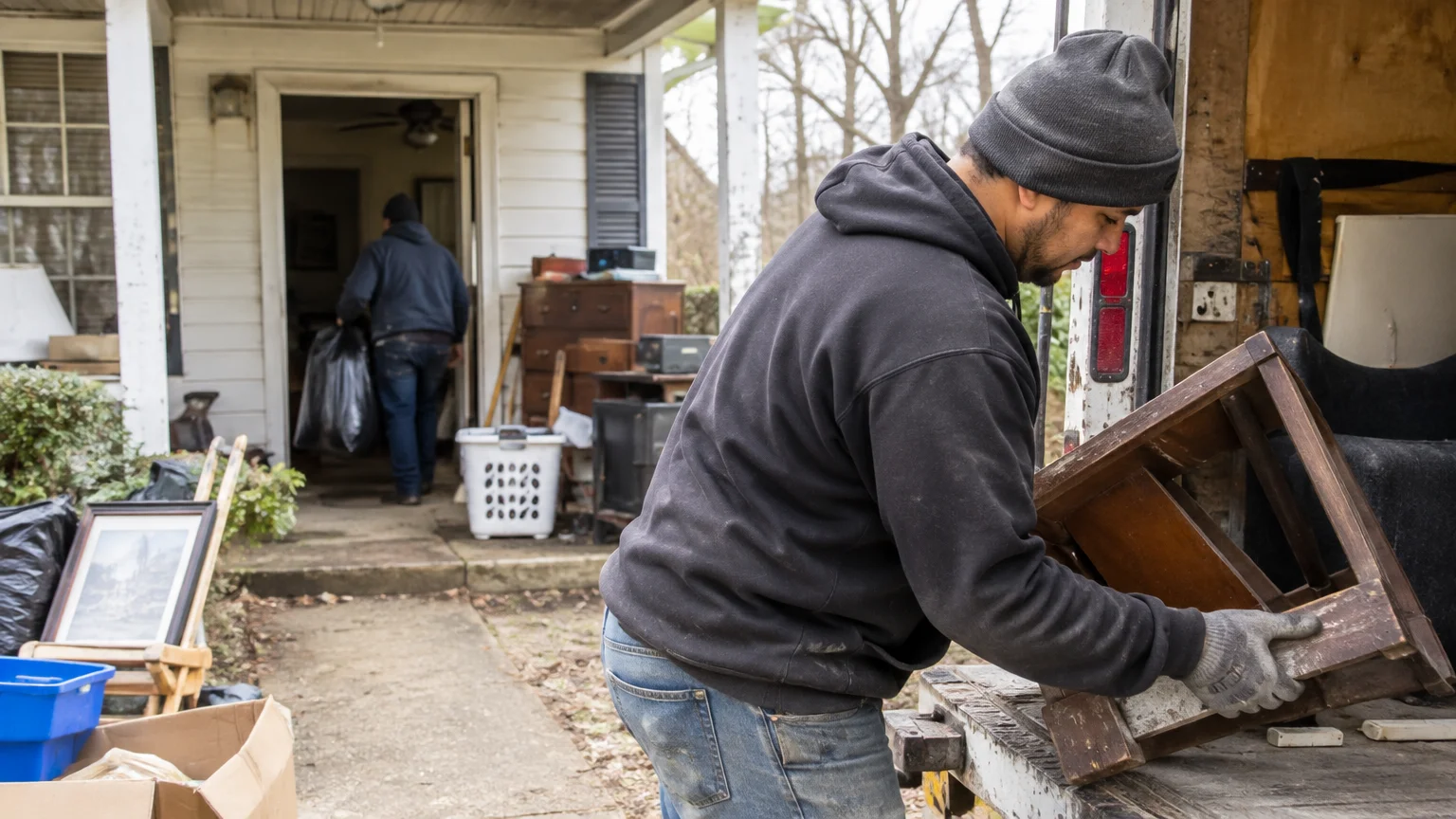
Confirm who can approve removal and make sure the written directions match the current plan. Walk through the property, if safe, and list the rooms, closets, storage spaces, and outdoor areas included. Set aside papers, keys, and belongings that need a final decision from the owner.
Make sure the crew can reach the work areas and point out locked rooms or shared spaces. Note broken steps, low ceilings, pets, or other access concerns. Rohnert Park CA Junk Removal can review these details with the person arranging the work before the cleanout begins. Share any changes to the plan before the crew starts.
What final walkthrough helps confirm the property is ready for its next step?
After removal, walk through each included area and compare it with the original directions. Check closets, cabinets, the garage, and outdoor areas if they were part of the job. Look for items that should have stayed and make sure the agreed debris is gone.
The final check can also note damage, items that could not be removed, or work that needs another provider. Take updated photos and share them with the owner or manager. A clear record can make the handoff easier for a buyer, repair team, or new occupant. Keep a copy with the cleanout notes.
How Do You Choose a Foreclosure Cleanout Service?
Choose a service that can explain its process, say what it accepts, and follow clear instructions for the property. Ask about experience with large cleanouts, bulky items, appliances, and access limits. The right fit understands the job and explains what is included before work begins.
Local searches such as “house cleanout services near me” or “estate cleanout service near me” can help people find nearby options. Compare services by asking each one the same questions, rather than relying on a name or short listing. Check that the provider serves the property area and can work with the needed schedule. Related searches like office cleanout FAQs and retail removal FAQs may help professionals plan other types of property clearing.
What experience and service details should you verify?
Ask whether the provider handles whole-house cleanouts, foreclosure properties, and the kinds of items at the site. Check how it handles furniture, appliances, yard debris, and materials that may need special disposal. Find out what it cannot take, so restricted items do not cause an unexpected delay.
It can also help to ask how the crew protects floors and walls, notes items left behind, and handles unclear instructions. A good provider should welcome clear questions and avoid promising work outside its stated service. Review the written plan before agreeing to start. If something is missing, ask for it to be added or explained.
What information helps clarify the scope and expected completion?
Share the property size, number of rooms, access details, and a list of large items. Mention stairs, elevators, narrow paths, parking limits, and known hazards. Photos can help the provider understand the site, but important directions should also be confirmed in writing.
Ask which areas are included, what will remain, and how donation or recycling may be handled when available. The expected finish depends on the actual work, so ask for a schedule based on the agreed scope. A clear quote should confirm the final cost and the work it covers. These details help both sides plan for the next step.
Frequently Asked Questions
How do you get rid of an old refrigerator?
First, remove food and keep children away from the appliance. Do not cut lines or try to remove refrigerant yourself. Ask a local appliance recycler, waste program, or junk removal provider about pickup options it accepts. A damaged refrigerator may need special handling, so describe its condition before arranging removal.
How do you get rid of broken furniture?
Check whether the item can be fixed, donated, or reused for parts. If it is unsafe or no longer useful, arrange removal with a provider that accepts bulky furniture. Keep sharp pieces away from walkways, and mention heavy or broken parts when you describe the job. Do not leave unsafe items where someone may trip or get hurt.
Can a cleanout include concrete chunks?
It may, if the provider accepts concrete and that material is part of the agreed work. Concrete is heavy and hard to move, so do not assume it can go with ordinary household debris. Share where it is and what condition it is in before the cleanout. This helps confirm a safe way to handle it.
Is a house cleanout service the same as estate cleanout service?
The work can overlap, but the needs may be different. A house cleanout often focuses on removing unwanted items from a home. Estate cleanout services may allow more time to sort personal belongings and follow family directions. List the exact tasks before work begins so everyone understands the plan.
What happens to items that may have value?
Set them aside until the owner or authorized representative decides what to do. Keep personal papers, family photos, keys, and possible sale items out of the removal pile. A written list and clear labels can help protect these belongings during a busy cleanout. Ask one person to track decisions if several people are involved.
Key Takeaways
- A foreclosure cleanout clears agreed items before sale, repair, or turnover.
- Written instructions help separate fixtures from belongings that may be removed.
- The amount of material, access, and special handling affect the schedule and cost.
- Unknown chemicals and unsafe materials need care, not guesswork.
- A final walkthrough helps confirm the property is ready for its next step.
Conclusion
A well-planned foreclosure cleanout starts with clear authority, a list of items that must stay, and a defined work area. Sorting, access details, and early notice about appliances or hazards can help avoid delays. The right service should confirm what it can handle and explain the work before it begins.
For help planning a property cleanout in Rohnert Park, use Contact us to discuss the items, access, and next steps. Properties across Rohnert Park may need different cleanout plans. Rohnert Park CA Junk Removal can help you understand the cleanout plan. You can also learn more about Rohnert Park CA Junk Removal.
If you are not sure what you are dealing with, it is worth having someone look at it before it turns into a bigger job. Get in touch with Rohnert Park CA Junk Removal today and we will tell you where you stand.